GLASS / PLATE LAB
Specimen 02 / 14 · collaborator edition

R4011

A secure northern field; extra curvature is not yet justified.

Calibrated field

A rich photographic star field solves cleanly. Independent fit checks favor the simpler tangent-plane model over the tested polynomial corrections.

Original scan
5,196 × 4,018 px
Source data
16-bit TIFF
Angular scale
1.849″ / native px
Sky footprint
2.668° × 2.063°
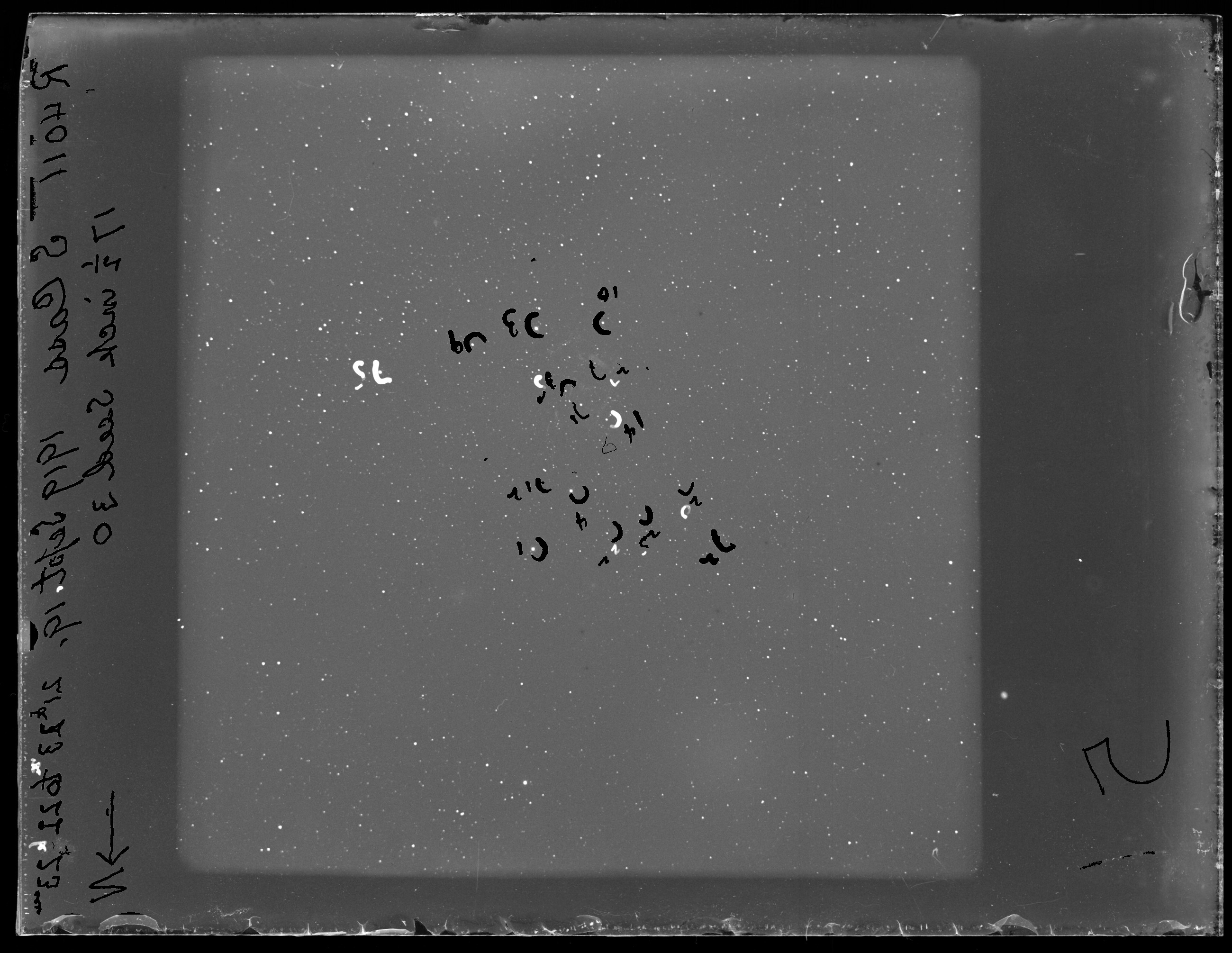
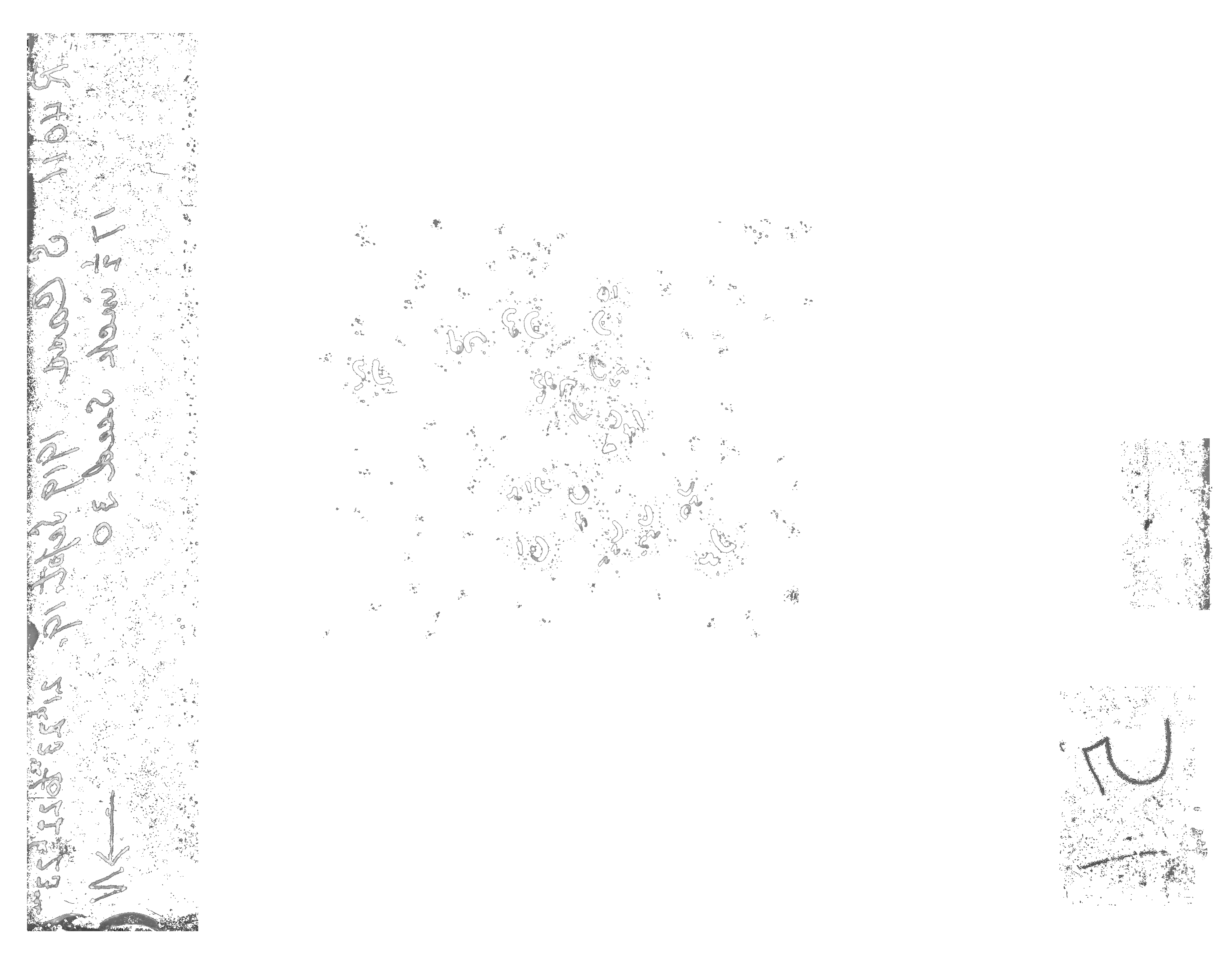
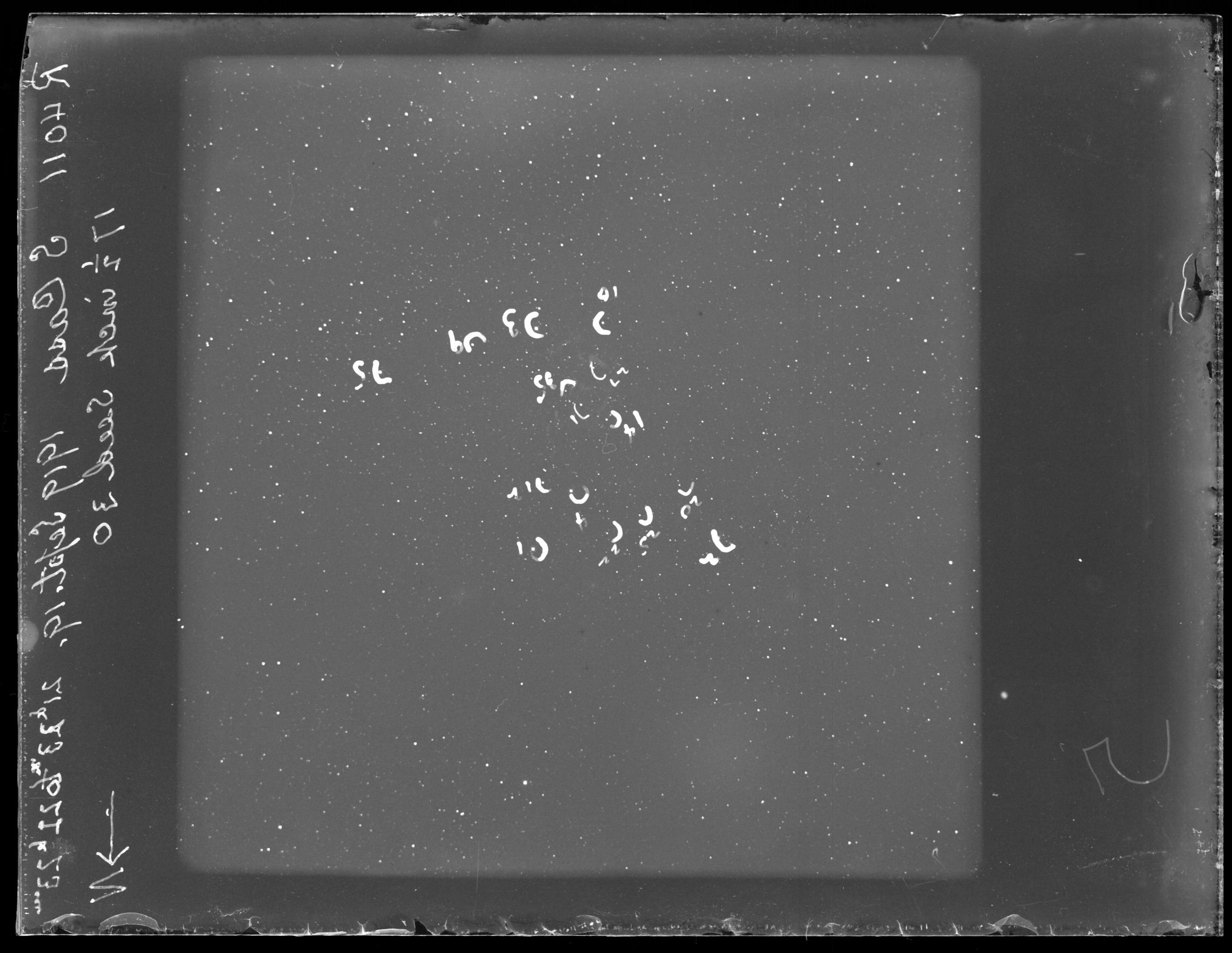
01Complete scan, with its stored orientation retained. Display derivative: recorded 1st–99.7th percentile linear stretch, 8-bit JPEG, reduced for sharing. Click any inspection image to enlarge; click again inside the viewer for its native display pixels.
01 /

What is photographic, and what is written?

A strong field solution with no established extra exposure component.

The existing northern field identification and TAN preference remain supported. No additional field or repeated-image sequence has been independently recovered in this reassessment. The apparent S Cass / 19 September 1919 inscription is a logbook lead. A lack of detected secondary structure does not prove a single shutter exposure.
A usable reference field

Many compact stars survive away from the handwritten margin. Their geometry supplies a strong blind identification and an independent test of extra distortion terms.

A historical clue in the margin

The readable, mirrored margin appears to include “R4011”, “S Cass”, “1919 Sept. 19”, “17½ inch” and “Seed 30”. These are tentative visual readings, not independently verified telescope or emulsion metadata.

A central crop shows the compact photographic images used for field identification.
The long margin is rotated and mirrored to aid reading. The tentative 1919 inscription merits comparison with an observing log.
02 /

Separate the observed layers.

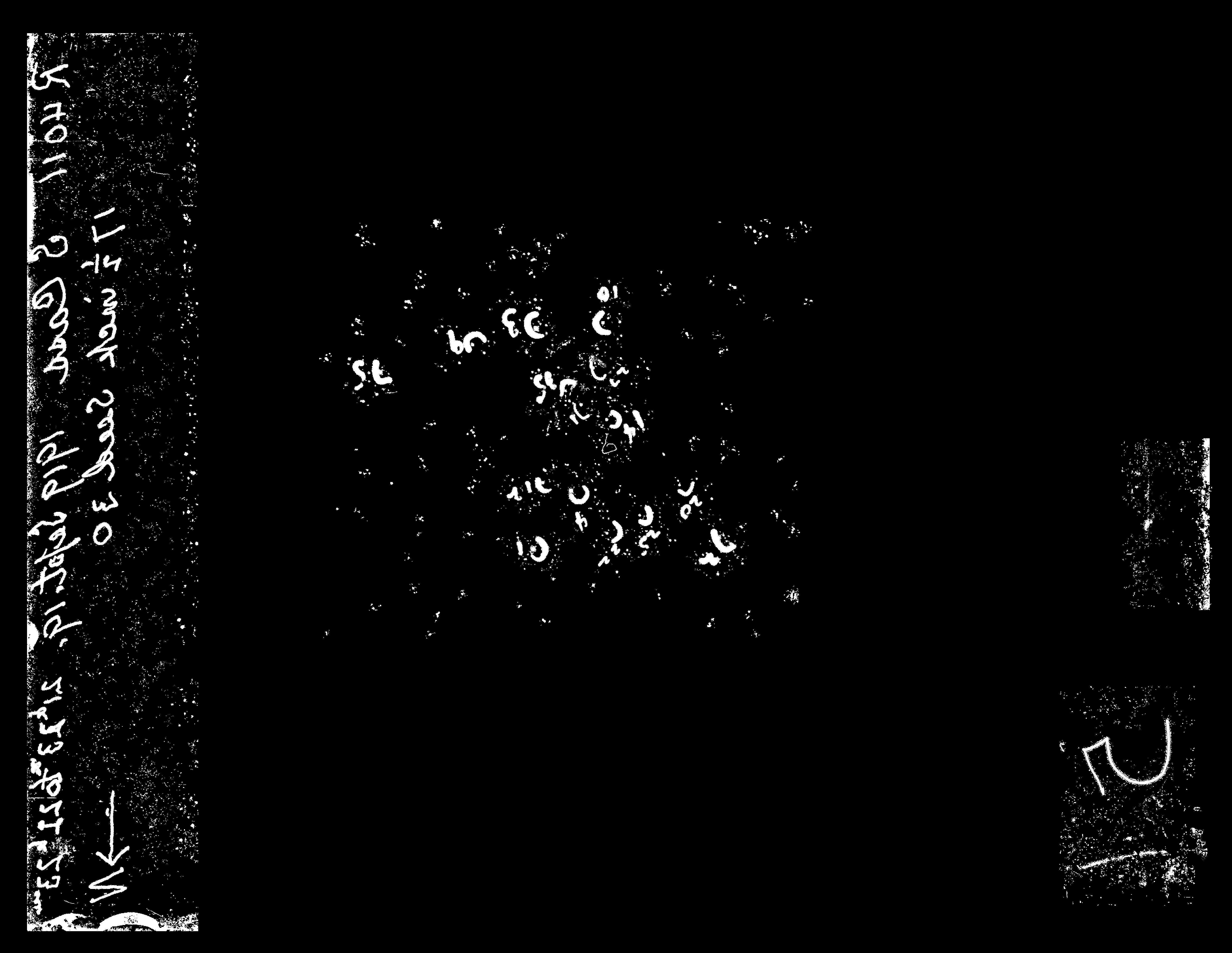
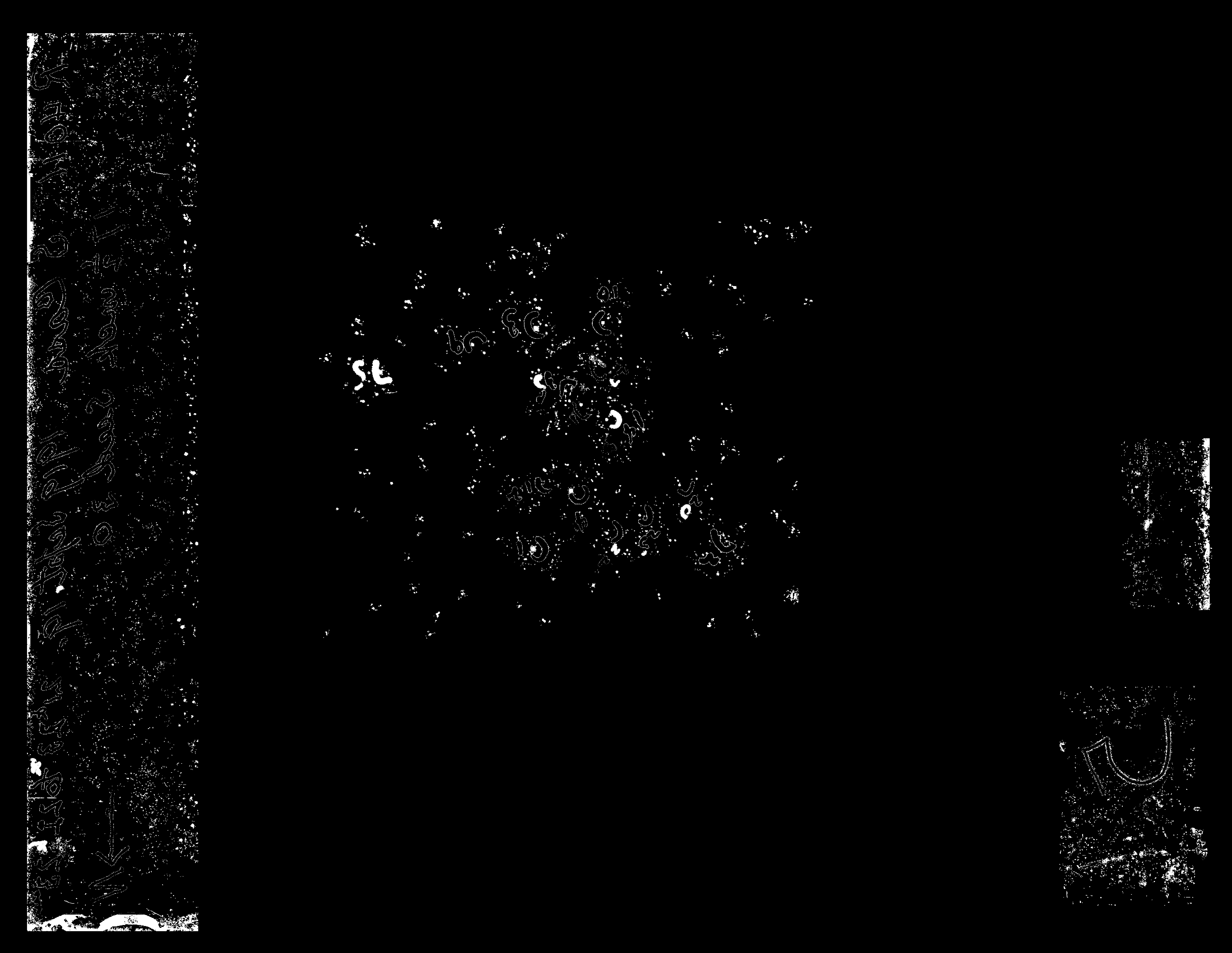
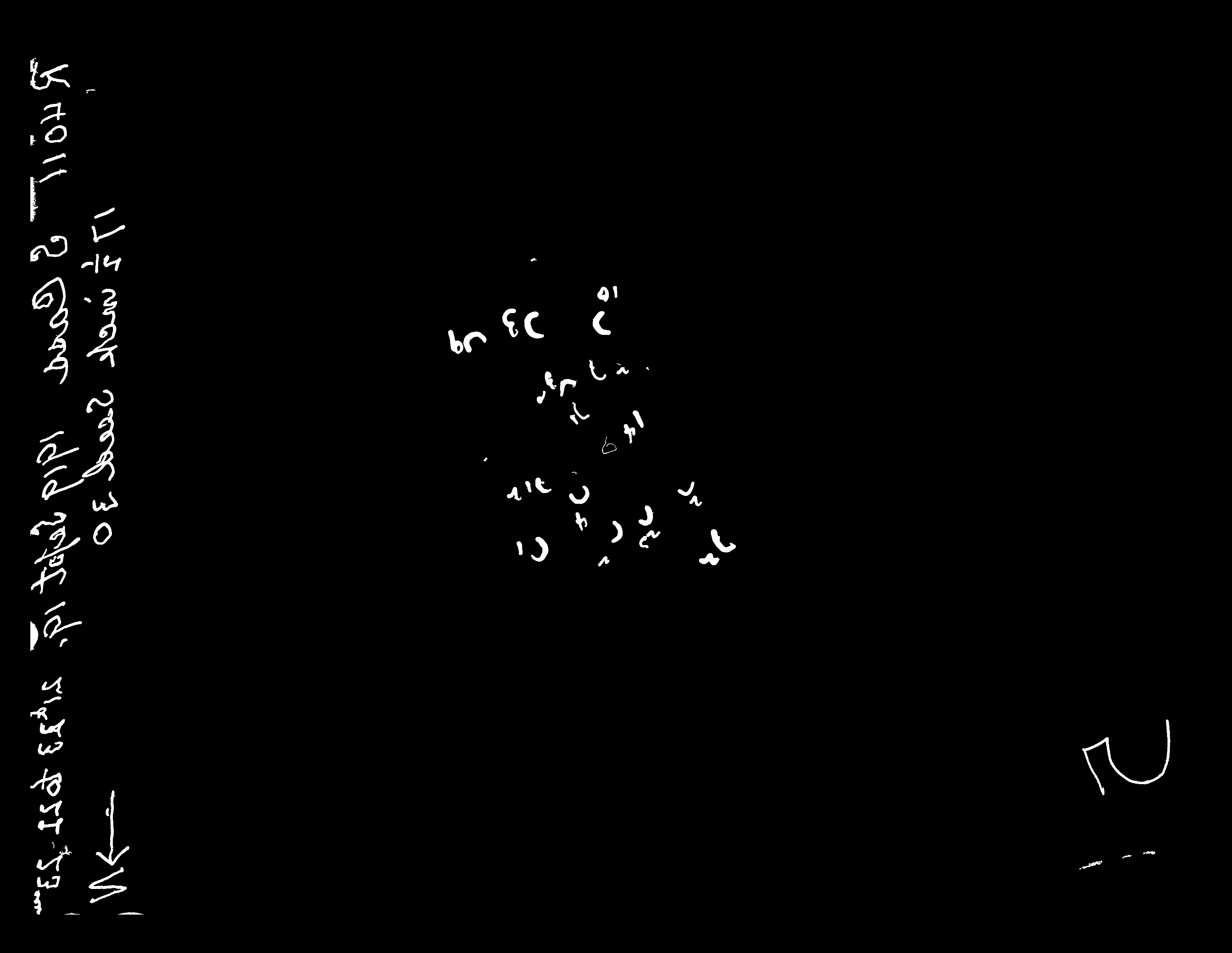
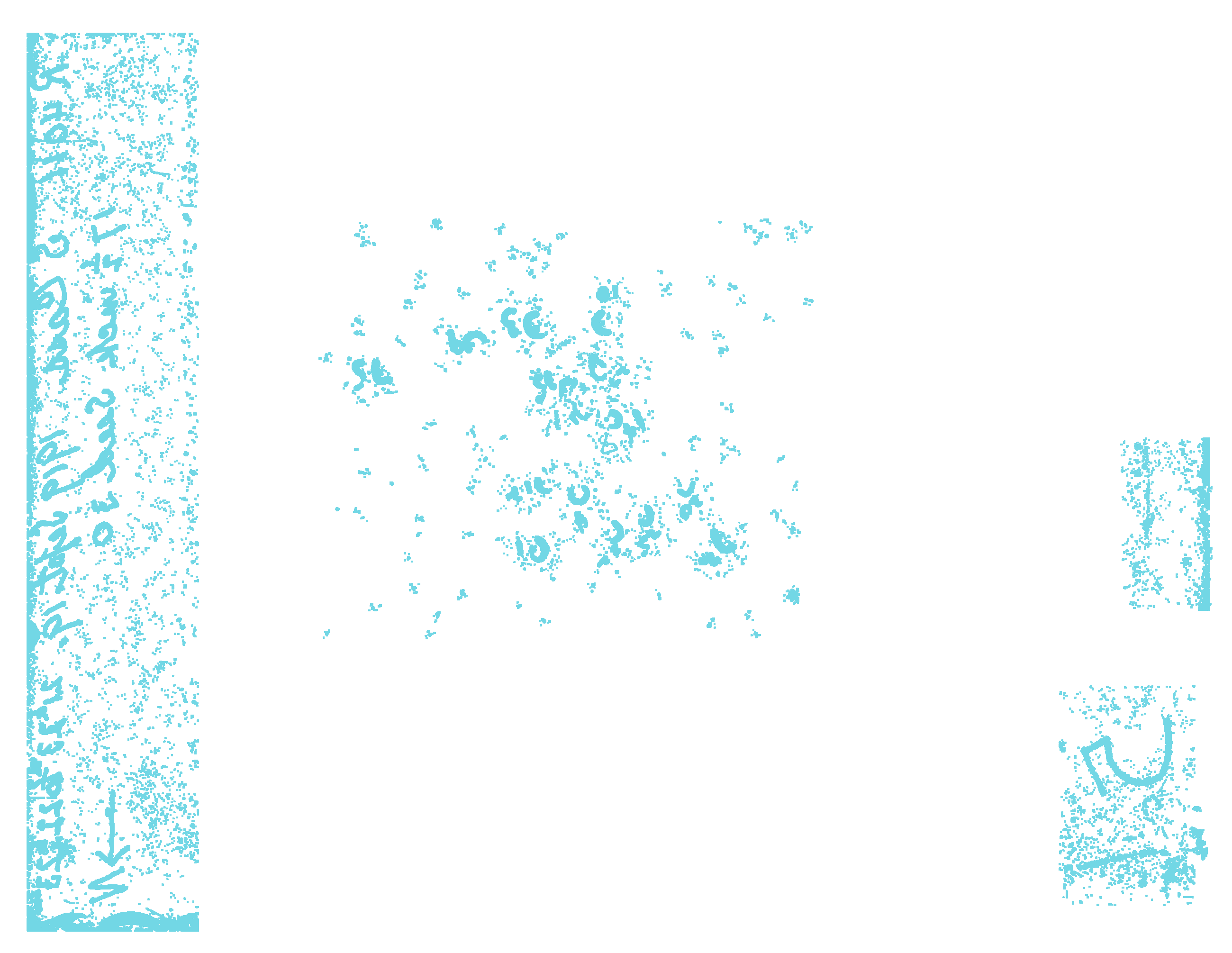
The revised layer uses local contrast in both polarities, expanded inspected writing regions and contextual recovery of short fragments and round digits. Known photographic targets and sampled spectral apertures are protected. It is not OCR and does not reconstruct hidden sky or invent pen strokes.

The selection covers 2.41% of this scan (503,324 pixels). Faint marks, scratches and contacts between ink and photographic images remain ambiguous. The cyan overlay shows the wider exclusion footprint used by the photographic remainder; the stroke mask is supplied separately.

Original scan with candidate annotation selection in cyan
Cyan shows the expanded exclusion area, including edge padding. Move the slider to inspect boundaries and incidental selections.

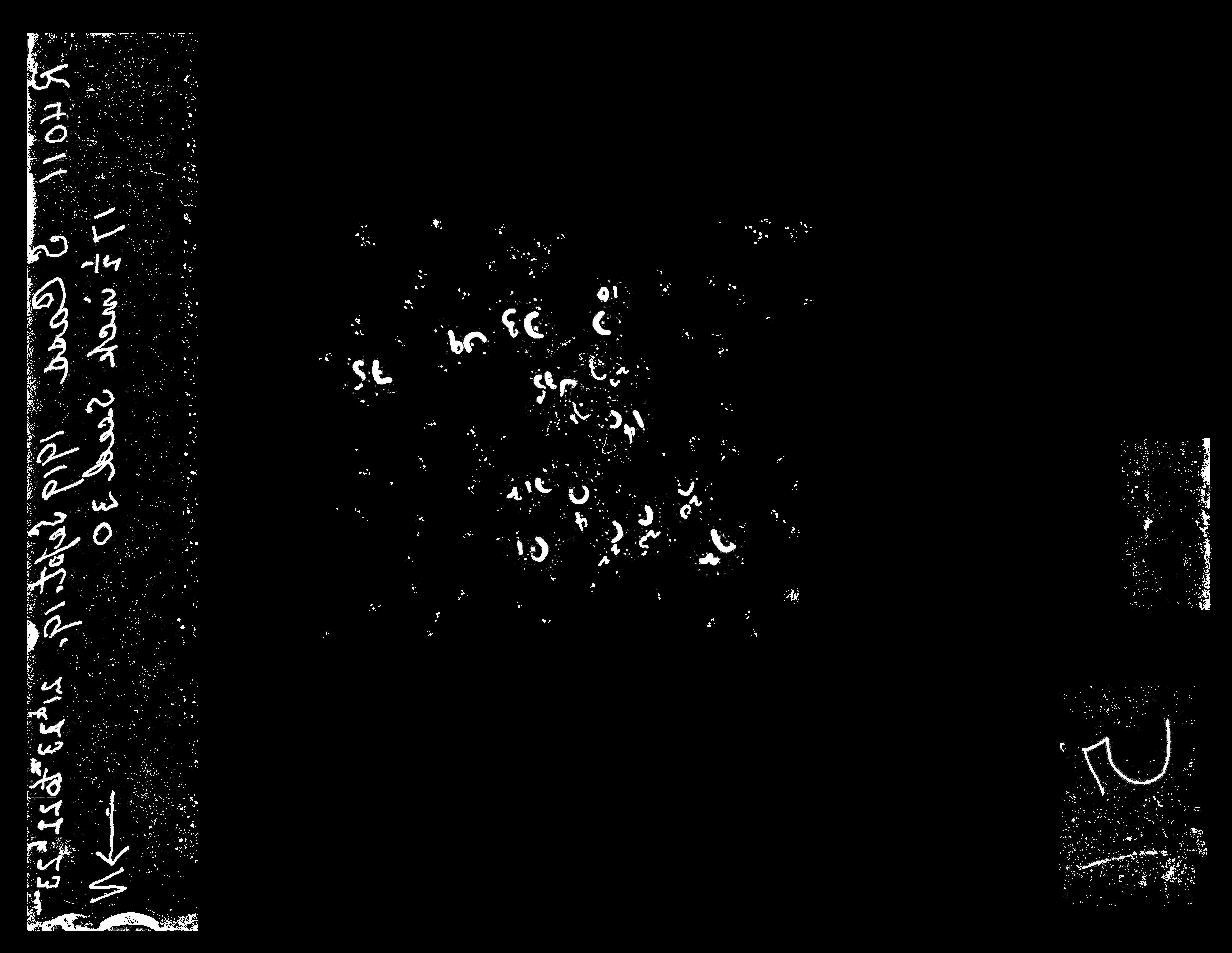
The writing PNG is a white, contrast-rendered stencil of bright and dark observed marks. The observed-pixel PNG preserves their stretched scan appearance. Both use original scan coordinates. The photographic remainder displays excluded pixels as black holes. It is neither a clean-sky reconstruction nor a new photometric product. Keep the mask alongside any measurements. Native original-intensity TIFF/FITS products, where generated, remain in the analysis workspace and are not duplicated in this handoff.

Annotation revision 2

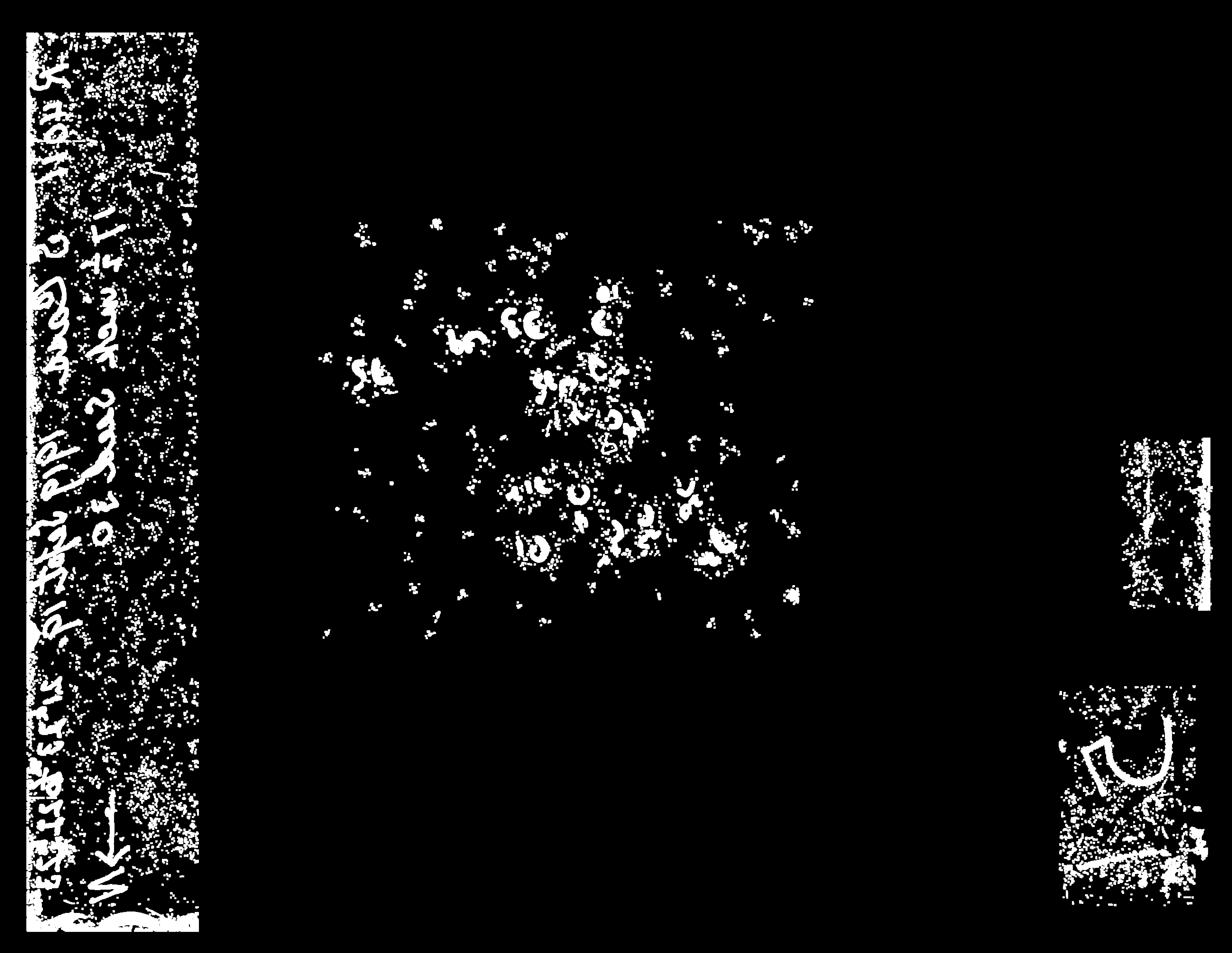
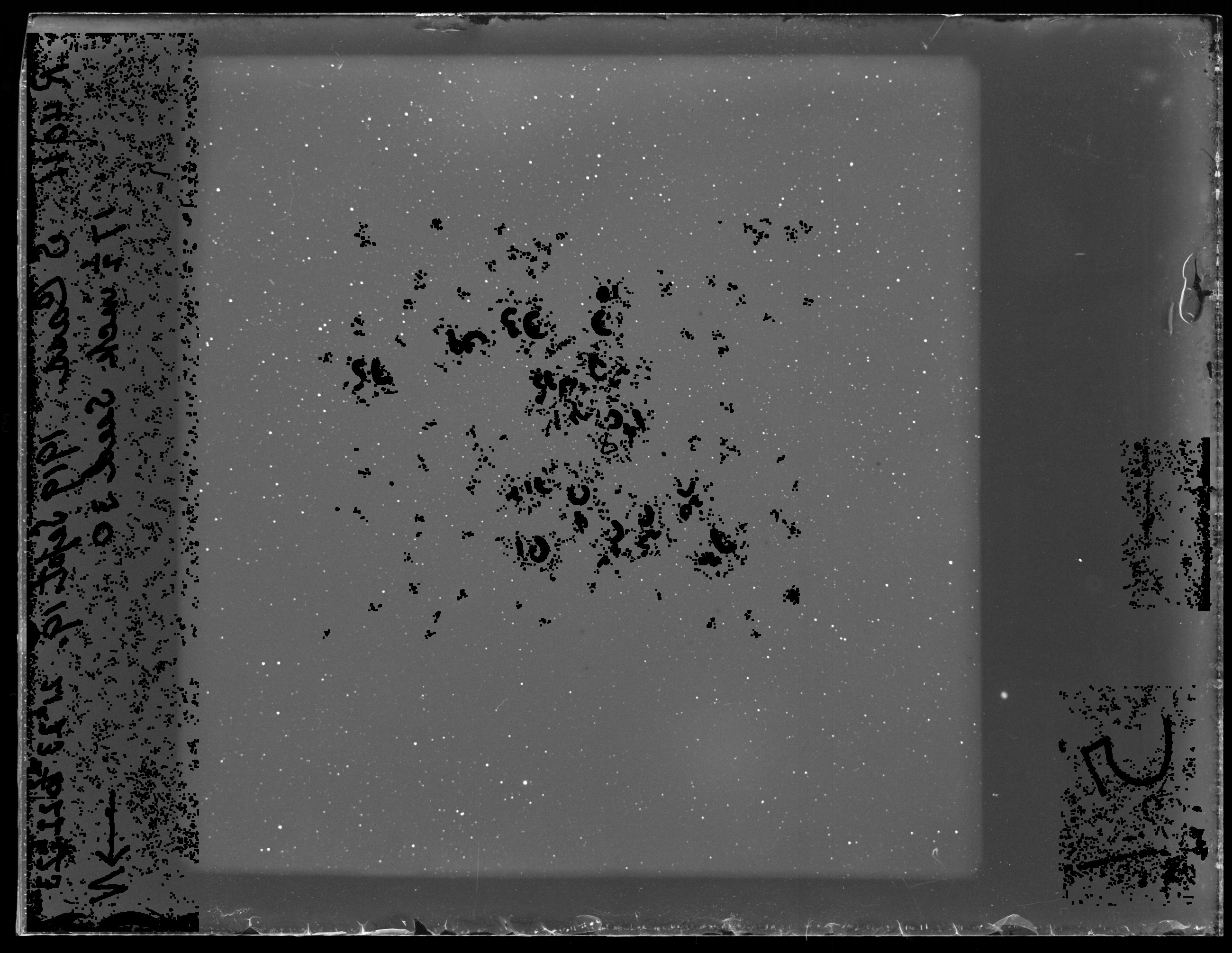
This revision recovers short letter fragments, round digits and inspected dark marks, with broader writing regions. The stroke selection grows from 221,914 to 503,324 pixels (2.27×). The photographic remainder uses a separate 3-pixel exclusion margin, covering 6.41% of the scan.

The wider selection deliberately favors removing writing. Nearby stars, scratches and ambiguous fragments can also be excluded. Explicit photographic protection regions retain known target images and sampled spectra; this does not establish perfect separation elsewhere.

Previous photographic remainder at left; revised remainder at right. Black pixels are excluded, not restored sky. Both panels show the same scan. The native stroke and exclusion masks are supplied separately.
Previous mask ←→ Revised exclusion
Photographic remainder using expanded exclusion maskPrevious photographic remainder revealed at left
03 /

The evidence for a sky identification.

The blind solution has 72 matches and odds 2.00 × 10⁷⁵ against index 4108. The fitted center is 01h 21m 06.68s, +72° 43′ 10.12″, with a field about 2.668 × 2.063 degrees.

Historical plate, in stored scan orientation. Writing is retained.
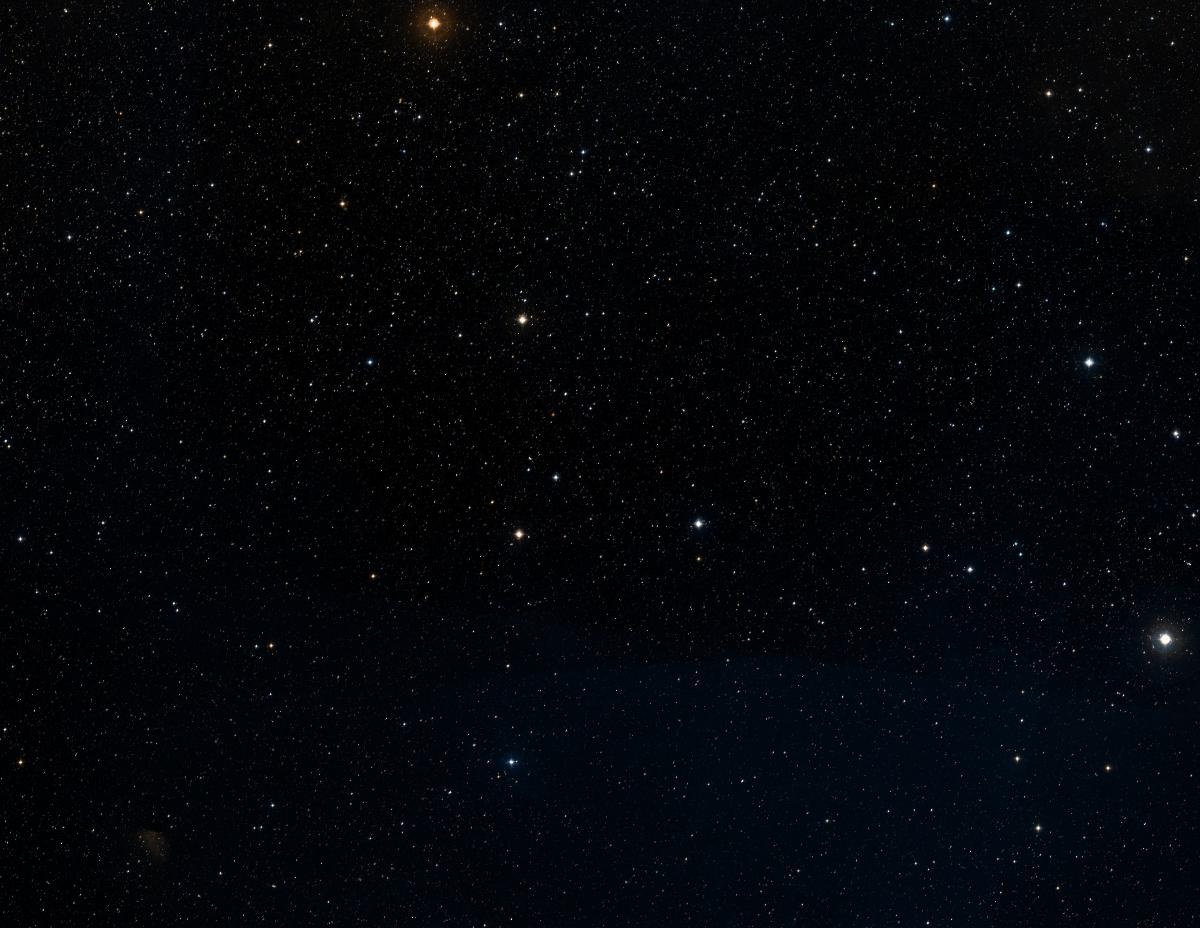
DSS2 color survey; STScI / Digitized Sky Survey, distributed through CDS HiPS2FITS.
Historical plate ←→ DSS2 survey
DSS2 survey context in recovered plate orientationHistorical plate revealed on the left

The DSS2 image is resampled into the recovered plate orientation and footprint. Its photographic epochs, bands, resolution and contrast differ. Brightness and morphology need not match. It is context from the recovered WCS, not an additional independent fit check.

Uniform point glyphs from the saved reference catalog projected through the plate WCS. This is a position-only rendering, not a survey photograph or brightness simulation.
Sky labels from the saved field identification. These are coordinate-derived annotations; the original writing remains part of the scan.
03c /

Exposure-aware reassessment.

A strong field solution with no established extra exposure component.

The existing northern field identification and TAN preference remain supported. No additional field or repeated-image sequence has been independently recovered in this reassessment. The apparent S Cass / 19 September 1919 inscription is a logbook lead. A lack of detected secondary structure does not prove a single shutter exposure.
Across these scans, repeated photographic images need not imply the same mechanism. Shutter timing, guiding offsets, objective optics and different pointings can leave related patterns. Establish consistent component membership before fitting a smooth warp. No result here isolates glass deformation from telescope optics, emulsion, scanner geometry and centroid bias.

04 /

Distortion: what is measured, and what is not.

There are 79 reference associations, with 60 training stars and 17 held out from the distortion fit. TAN gives a held-out median of 0.660 original pixels (1.22 arcsec) and a 90th percentile of 1.929 pixels. SIP orders 2 and 3 worsen the median to 0.859 and 0.828 pixels, although their upper tails are smaller.

The saved WCS therefore retains TAN without an additional polynomial distortion correction. This is a model-selection result at the available precision, not evidence that the glass is physically flat. No resampled plate image is claimed for this specimen.

Model comparison · residuals in original scan pixels
Model Held-out median Held-out p90 Retained
TAN 0.660 1.929 Yes
TAN-SIP 2 0.859 1.780 —
TAN-SIP 3 0.828 1.681 —
Held-out model-selection errors. The cyan marker is the retained portable model. These stars check the fit but are also used to choose model complexity: this is internal validation, not an external accuracy certification.
Gray marks are saved fit associations; cyan circles are held-out stars. Large white rings flag held-out residuals above two original pixels. Dimmed areas lie outside the association convex hull and should be treated as extrapolation.

The reference footprint describes where the model is constrained. A smooth polynomial outside that footprint can look plausible while remaining unmeasured.

Reference catalogs were not propagated to the plate epoch. Proper motion, centering errors, repeated images, optical projection, emulsion, the glass and the scanner may all contribute to residuals. One scan cannot separate these physical causes.

Batch held-out stars were excluded from distortion fitting, but may have participated in the initial field identification. They are not a wholly independent astrometric experiment.

05 /

Where the remaining questions live.

Review locations on the original scan

Select a numbered pin or a note. Locations are editorial review pointers, not measured confidence contours; plate-wide limitations also apply.

01Written margin

Stars near the inscription can be lost or blended. The selection mask should be checked before precision measurement.

02Unsupported boundary

Astrometric confidence falls outside the reference-star footprint. The coverage figure marks this boundary explicitly.

03Small residuals

Seventeen held-out stars constrain global behavior, but do not identify the physical source of individual residuals or a detailed local warp.

The next useful experiment

Verify the inscription against a plate log, propagate reference positions to the dated epoch, and measure a denser set of clean centroids before reconsidering a higher-order model.

Present conclusion

The field identification is strong. Keep the simpler WCS and the evidence for its limits together; a glass-distortion map is not yet supported.

06 /

An inspectable record for the next collaborator.

Source filename
R4011.tif
Native dimensions
5196 × 4018 pixels; I;16
Original SHA-256
f7d0a02721d1109665d90af66aa4002467a4a5269a6e97cf33d8d9188e20ecae
Display derivative
2600 × 2011 px; JPEG; no photometric calibration
Display stretch
Linear; percentile 1 = 1, percentile 99.7 = 49691; clipped to 8 bits
Detail crops
Fractional original-coordinate boxes recorded in source.json. Long margins are rotated and mirrored for reading.
Layer coordinates
Native original scan size, except explicitly labeled rectified UV1642 writing
Original TIFF
Not included in this portable report; retained separately, unchanged
Analysis method
Local Astrometry.net 0.98; inspected source selection, exposure grouping where necessary; saved reference associations and internal held-out checks
Snapshot date
27 October 2026
WCS center (RA, Dec)
20.27783818°, 72.71947771°
Survey context
DSS2 color / STScI, via CDS HiPS2FITS. Context image uses the recovered WCS and is not an extra validation set.

All scientific numbers are snapshots of the saved analysis products. The original 16-bit scans remain the measurement source. JPEG derivatives, contrast stretching and masked previews are inspection tools; do not derive photographic density or absolute response from their appearance.

  1. Astrometry.net: local plate-solving software
  2. Bundled methods, limitations and handoff notes
  3. CDS HiPS2FITS image service and WCS reprojection
  4. STScI Digitized Sky Survey
← UV1642R4073 →